


We are exposed to chemicals every single day, through the food we eat, the air we breathe, the water we drink, and the products we use.
By Richa Singh (Senior Research Scientist UCD)
They are everywhere. Though we rarely ever stopped to think about how much of these chemicals actually get inside our bodies, or how we might reduce our exposure?This is where human biomonitoring (HBM) can answer these questions.
HBM is the gold-standard way to measure real-world chemical exposure in people. By analysing biological samples such as blood and urine, scientists can detect chemicals and their breakdown products that come from everyday sources such as food, water, consumer products, air, and the wider environment.
Unlike environmental monitoring alone, HBM shows what truly gets into our bodies, helping scientists, policymakers, and regulators better understand risks, track trends over time, and strengthen protections for public health.
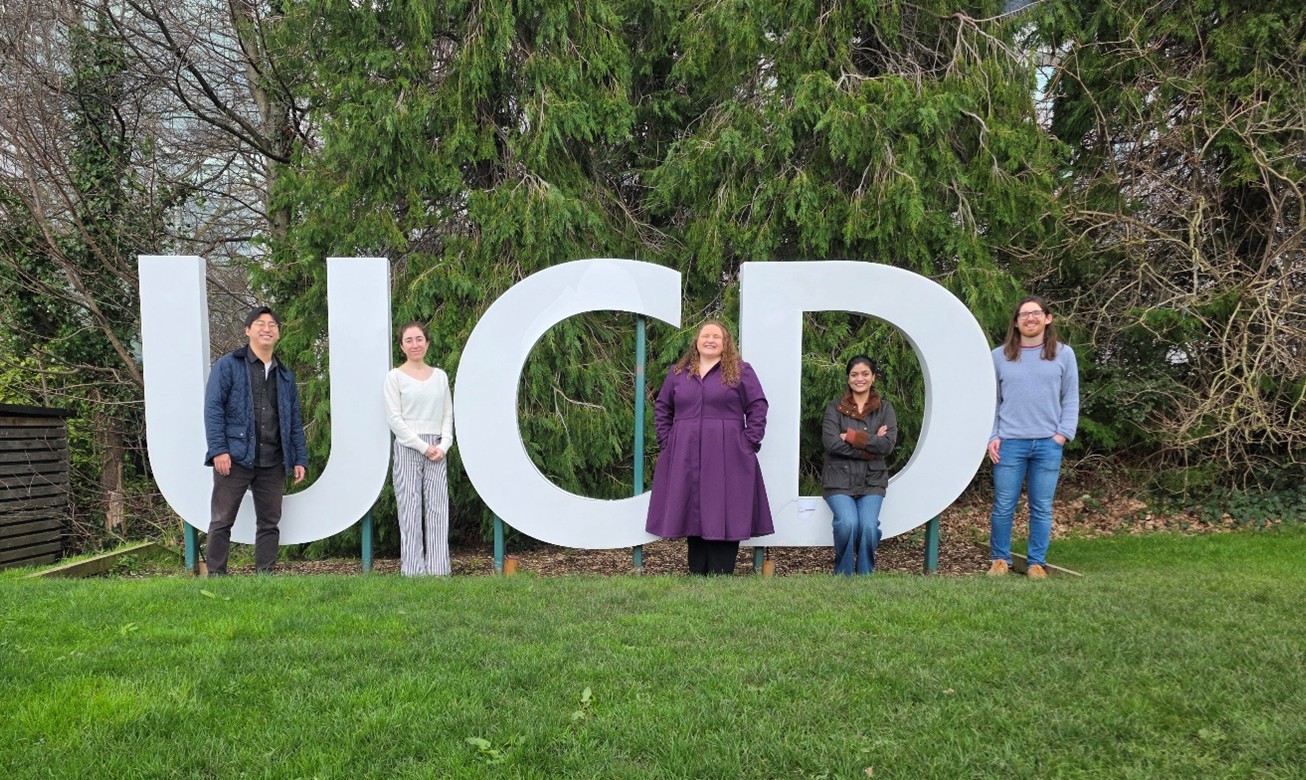
The HBM4IE (Human Biomonitoring for Ireland) study, led by researchers at University College Dublin (UCD), is Ireland’s first HBM cycle to assess chemical exposures in the Irish population using human biomonitoring. The study is funded by the Environmental Protection Agency (EPA) Ireland, with co-funding from the EU’s Partnership for the Assessment of Risks from Chemicals (PARC).
Building on the previous HBM4IRE feasibility study, which highlighted Ireland’s readiness for a national human biomonitoring programme for evaluating chemical exposures, the HBM4IE study collaborates with national and international partners and aligns with EU initiatives such as HBM4EU and Partnership for the Assessment of Risks from Chemicals (PARC), ensuring harmonised methods and impactful results for Ireland.
What chemicals are we studying?
HBM4IE will analyse a broad range of both emerging and legacy chemicals in the Irish population. This includes PFAS, plasticisers, bisphenols, heavy metals, and pesticides (such as neonicotinoids, pyrethroids, organophosphates, and glyphosate). Many of these chemicals are widely present in everyday products and the environment but, Ireland currently lacks comprehensive baseline data on human exposures and how extensively its population is exposed to them. HBM4IE addresses this critical gap by generating robust, evidence-based insights that inform future human biomonitoring programmes, strengthen regulatory frameworks, and guide policy decisions in line with the European Union's ambitious "Zero Pollution" ambition working towards a cleaner, healthier environment for generations to come.
Who can take part?
We are recruiting 150 adult volunteers (aged 18–39 years) from across Ireland. A diverse group of participants, across regions, lifestyles, and backgrounds will help build a robust and representative picture of chemical exposures in the Irish population.
What does participation involve?
Volunteering is straightforward and low burden.
· Completing a short questionnaire on lifestyle, diet, occupation, and product use (approx. 30–40 minutes)
· Attending St Vincent’s University Hospital to provide a spot urine sample and a small blood sample (approx. 60 minutes)
All samples are pseudo-anonymised, handled confidentially, and processed under strict ethical standards. There is no long-term commitment.
Why take part?
By volunteering, you contribute directly to science and public health helping generate evidence that can inform policies to reduce chemical risks for everyone in Ireland, including future generations.
As a token of appreciation, participants will receive a light lunch, a coffee mug, a reusable eco-friendly bag and a One4all voucher.
Interested in taking part?
If you are an adult (18 – 39 years) living in Ireland and would like to participate, please contact us at: HBM4IE@ucd.ie
Don’t miss out, recruitment happening now and sampling scheduled in March April 2026.
.png)
Learn more about the work:
Thank you to everyone who volunteers!
Your participation powers better health protection for Ireland.


