


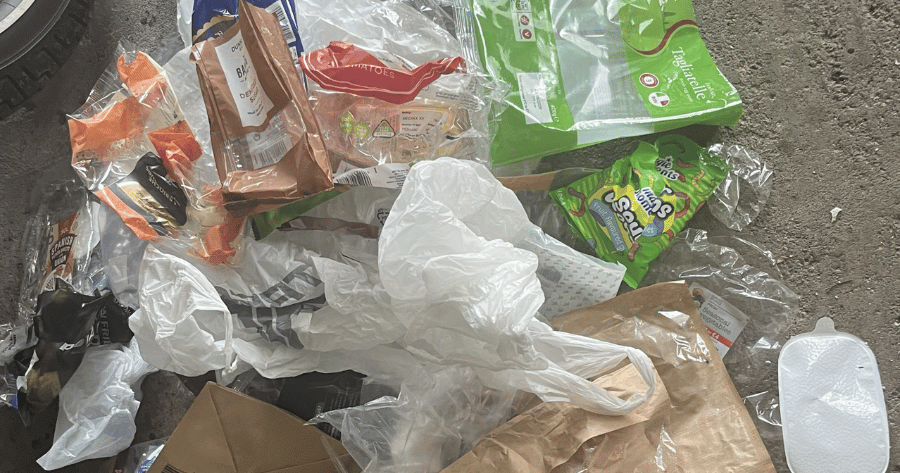
What can our recycling bins tell us about the way we shop, consume and dispose of packaging?
Quite a lot, it turns out.

The latest National Recycling Bin Survey (NRBS) provides a fascinating snapshot of packaging waste in Irish homes. By asking households across the country to record every item placed in their recycling bins over a two-week period, the survey offers a unique insight into where our packaging waste comes from and how it is changing over time.
The findings from the 2026 survey reveal a clear and consistent message: Irish households want to reduce waste, but the packaging choices available to them are often limited.
A Growing Picture of Packaging Waste
The 2026 National Recycling Bin Survey analysed 6,418 packaging items recorded by 50 households across 16 local authority areas. For the first time, participants also tracked what products the packaging originally contained, providing a deeper understanding of the relationship between everyday consumption and household waste.
The results build on previous surveys conducted in 2023 and 2025 and continue to highlight the significant role that retail packaging plays in Ireland's waste stream.
Supermarkets Remain the Main Source of Packaging Waste
One of the strongest findings from the survey is the dominance of supermarkets as a source of packaging entering Irish homes.
A striking 70% of all packaging items recorded originated from supermarkets, demonstrating the influence that retailers have on the amount and type of packaging consumers bring home each week.
Even more significantly, 40% of supermarket packaging came from supermarket own-brand products, highlighting an important opportunity for retailers to reduce waste through packaging redesign, reuse systems, and alternative delivery models.
As consumers, we can make informed choices, but ultimately many packaging decisions are made long before products reach the shelves.
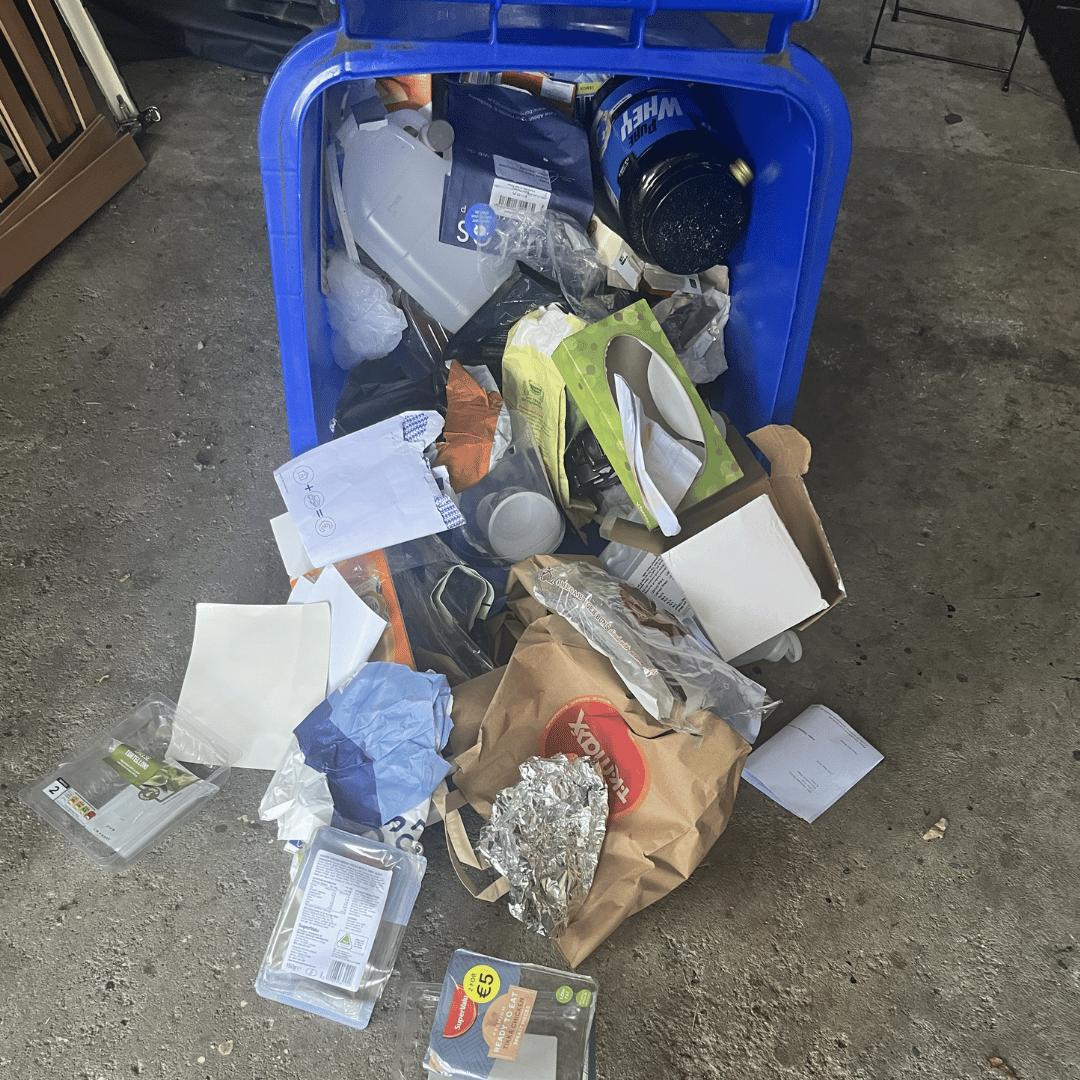
Plastic Continues to Dominate
Despite increasing public awareness of plastic pollution, plastic remains the most common material found in household recycling bins.
The survey found that 55% of all recorded packaging items were plastic, an increase from previous survey years. Much of this growth was driven by soft plastics and flexible packaging associated with fresh produce, snacks, convenience foods and household goods.
While many of these materials are technically recyclable, they often represent single-use packaging that requires significant resources to manufacture, transport and process.
The findings reinforce the growing consensus that recycling alone cannot solve Ireland's packaging challenge. Reducing unnecessary packaging in the first place must become a priority.
What Are We Throwing Away?
For the first time, the survey examined the types of products associated with packaging waste.
Fruit and vegetables, dry goods, ready meals, beverages, household products and personal care items all featured prominently in participants' recycling bins.
This new level of detail provides a better understanding of where waste prevention efforts could have the greatest impact. It also demonstrates that packaging waste is not confined to a small number of products but is embedded throughout the modern shopping experience.
Irish Households Want Change
Perhaps one of the most telling findings was the continued frustration expressed by participants.
The vast majority of respondents reported concerns about the amount of packaging entering their homes. Many felt that despite their best intentions to reduce waste, they often had little choice but to purchase products wrapped in unnecessary packaging.
The survey also found strong support for practical alternatives, including refill stations, reusable packaging systems and packaging-free shopping options.
These findings suggest that public appetite for waste reduction is already there. The challenge now is ensuring that consumers are provided with accessible and affordable alternatives.
Moving Beyond Recycling
The National Recycling Bin Survey has always been about more than recycling. While recycling plays an important role in managing waste, the survey highlights the need to focus on preventing waste from being created in the first place.
The continued growth of packaging waste points towards the importance of:
- Expanding reusable and refill systems
- Reducing unnecessary single-use packaging
- Encouraging packaging-free retail options
- Supporting producer responsibility measures
- Designing products with waste prevention in mind
As Ireland works towards its circular economy ambitions, understanding what enters our homes is an essential first step towards reducing what leaves them.
Building the Evidence for a Circular Economy
The National Recycling Bin Survey demonstrates the power of citizen science to generate real-world evidence about packaging waste. Every item counted by participants helps build a clearer picture of the challenges facing households and the opportunities for change.
The 2026 findings confirm that packaging waste remains a significant issue, but they also reveal a growing public desire for solutions. By working together, policymakers, retailers, manufacturers and consumers can help create a system where waste prevention becomes the norm rather than the exception.


